Sacramento’s Siding & Window Expert

Choosing new windows for your home involves more than just picking a frame style. The type of glass you select plays a huge role in your home’s energy efficiency, security, comfort, and overall look. With so many options available, understanding what are the different types of window glass can feel overwhelming. This guide breaks down the most common choices to help you make an informed decision for your home.
The glass in your windows is a barrier between your home and the outside world. The right choice can improve your quality of life, while the wrong one can lead to higher energy bills and security concerns.
Windows can be a major source of heat loss in the winter and heat gain in the summer. Modern glass technologies are designed to provide superior insulation, keeping your home comfortable year-round and reducing the strain on your HVAC system. This translates directly to lower energy bills.
Your windows are potential entry points for intruders. They are also vulnerable to impacts from storm debris or accidents. Specialized safety glass can provide an extra layer of protection, giving you peace of mind that your home and family are secure.
Windows are a prominent architectural feature. The glass you choose can enhance your home’s curb appeal, control natural light, and increase privacy. Upgrading your windows with high-quality glass is a smart investment that can boost your property’s value.
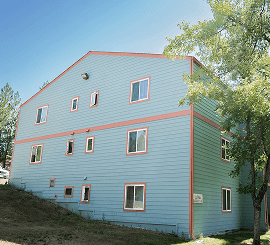
Let’s explore what are the different types of glass for windows and examine the pros and cons of each.
With years of experience in siding replacement and installation, our team ensures flawless workmanship that enhances your home's curb appeal and protection.
Tempered glass is heat-treated to be about four times stronger than standard float glass. It's often required by building codes for doors, windows near the floor, and in bathrooms.
Laminated glass consists of two layers of glass with a vinyl interlayer (PVB) sandwiched between them. The interlayer holds the glass together if it breaks.
Low-emissivity (Low-E) glass has a microscopically thin, transparent coating that reflects infrared and ultraviolet light. This helps keep heat inside during the winter and outside during the summer.
Insulated Glass Units (IGUs) consist of two or three panes of glass separated by a spacer and sealed, with the gap filled with an inert gas like argon or krypton.
Obscured glass is treated to be translucent rather than transparent. This is achieved through sandblasting, acid etching, or applying a film.
Tinted glass is produced by adding colorants during the manufacturing process. Common tints include bronze, gray, blue, and green.
Beyond the common types, you can find glass with beveled edges, etched patterns, leaded designs, and other decorative features to add a unique touch of style to your home.
Choosing the right glass involves balancing several key factors to meet your specific needs.
Your local climate is a primary consideration. If you live in a cold region, you'll want glass that excels at preventing heat loss, like triple-pane insulated units with Low-E coatings. In hot, sunny climates, glass that reduces solar heat gain, such as tinted or Low-E glass, is more important.
While high-performance glass has a higher upfront cost, it's important to think about the long-term value. The energy savings from options like Low-E or insulated glass can pay for the initial investment over time. Consider your budget, but don't overlook the return on investment.
Evaluate your home's security needs. If you live in a storm-prone area or have concerns about break-ins, laminated or tempered glass offers superior protection. These options are also a wise choice for homes with children due to their safety features.
Finally, consider the look you want to achieve. Do you want crystal-clear views, enhanced privacy, or a unique decorative element? Your aesthetic goals will help guide you toward options like frosted, tinted, or specialty glass.
Navigating the different types of glass for windows can be complex. Partnering with a professional ensures you make the best choice and that your new windows are installed correctly.
An experienced window professional understands how different glass types perform in your local climate. They can assess your home’s unique needs, explain the benefits of each option, and provide a precise, weather-tight installation that maximizes performance and longevity. A poor installation can negate the benefits of even the most advanced glass.
At Hexteriors, we are experts in high-quality window replacement. Our team is dedicated to helping you find the perfect window glass to match your goals for energy efficiency, security, and style. We’ll walk you through the pros and cons of each type, answer all your questions, and provide a seamless installation process from start to finish. We partner with leading manufacturers to offer a wide selection of top-tier window solutions.
The glass in your windows is a critical component of your home’s performance and appearance. By understanding the different types available—from standard float glass to advanced insulated and Low-E units—you can make a choice that enhances your comfort, lowers your energy bills, and increases your home’s value. When you’re ready to upgrade, trust the experts at Hexteriors to guide you to the perfect solution.
Trustindex verifies that the original source of the review is Google. We recently had our house re-sided with Hardie product. We interviewed 3 companies, one of them being Heritage Exteriors. From our first meeting with David to get an estimate and subsequent contracts to the last day’s work touching up paint and trim, our experience with Heritage was extremely positive. David provided us with a lot more up front information as to the process than we got from the other companies, and Alex made sure the project happened just as described. The work crews were respectful and careful of our property, and the guys never hesitated to ask a question or make a suggestion to us during their time on site. The house looks great! A few of our neighbors have already asked who did our project, and I told them without hesitation to contact Heritage. I highly recommend Heritage if you’re looking to have your house re-sided for fire protection or structure repair.Posted onTrustindex verifies that the original source of the review is Google. **Excellent Experience with Heritage Exteriors** We recently had James Hardie siding and Milgard windows installed by Heritage Exteriors, and the entire experience was outstanding. From start to finish, the project ran smoothly and exceeded our expectations. The team was not only highly skilled and well-organized but also incredibly attentive to every detail. They took excellent care of us throughout the process, consistently keeping us informed about the next steps and ensuring everything was done right. From David, Alex, Roman, and the crew, they are amazing and, of course, extremely patient with our numerous questions and concerns. By the way, I learned a lot from them. It truly felt like they brought our vision to life, and we couldn’t be happier with the results. If you’re considering new siding or windows, I highly recommend Heritage Exteriors—you’ll be in excellent hands.Posted onTrustindex verifies that the original source of the review is Google. The best siding company in town. Extremely happy with the work done. Responsible and qualified company employees. Only 5 stars🔥🔥🔥Posted onTrustindex verifies that the original source of the review is Google. Ordered work from these guys. They did everything perfectly and quickly. Thank you teamPosted onTrustindex verifies that the original source of the review is Google. Absolutely wonderful experience from the initial consult to the install and follow up. I have utilized them on 4 different occasions now for energy efficient windows and every time was flawless. Thank you again Alex and crew looking forward to our next project. Annadale Place Apartments..Posted onTrustindex verifies that the original source of the review is Google. Heritage did an outstanding job with our exterior siding and windows! David, our salesperson, was incredibly knowledgeable, personable, and an absolute pleasure to do business with - never pushy and always available to take our calls. Roman, the crew leader, was extremely patient with all of my questions, and his team - Alex, Yuri and Igor demonstrated a fantastic work ethic and dedication. They worked hard and delivered excellent results. The team was incredibly considerate, cleaning up before they left each day. They always kept me informed of their arrival and departure times. Despite a rain delay, everything went very smoothly. I wouldn't hesitate to recommend Heritage Windows and Siding to anyone who is looking for reliable and high quality work.Posted onTrustindex verifies that the original source of the review is Google. 5-Star Review for Heritage Exterior I recently had the pleasure of working with Heritage Exterior for a complete upgrade of my windows and siding, and I couldn't be happier with the results! From start to finish, the team was professional, knowledgeable, and dedicated to delivering top-notch service. The quality of the materials they used is outstanding, and it's clear they take pride in their work. My home looks brand new, and the energy efficiency improvements have made a noticeable difference in my utility bills. Every step of the process was smooth, from the initial consultation to the final installation. What impressed me most was their attention to detail and commitment to customer satisfaction. They took the time to address all my questions and concerns, ensuring I felt confident in my choices. The crew was punctual, respectful, and worked diligently to complete the project on time. If you're considering any exterior work on your home, I highly recommend Heritage Exterior. They truly went above and beyond, and my home has never looked better! Thank you, Heritage Exterior, for the fantastic transformation!Posted onTrustindex verifies that the original source of the review is Google. I would like to give this company a very great review. I'll start with Dave being so kind and very clear on all of the work that was going to be done and very knowledgeable. They were on time every time they said they would be . They cleaned up each day. All the workers were very kind.i was extremely happy with all the work and the pricing! Very good family oriented people! Would 1000% recommend to anyone!





We service Sacramento, and the surrounding areas.
We look forward to getting to know you and your project!
Signs like cracking, warping, or moisture buildup are clear indicators your siding may need replacement. During our consultation, we’ll assess your current siding and recommend whether repair or replacement is the best option.
We offer a variety of high-quality options, including fiber cement, vinyl, and wood siding. Each material is built for durability and designed to complement your home’s style.
Yes! We provide flexible financing options tailored to make your siding project affordable without compromising quality.
While timelines vary depending on the size of the project, most siding installations are completed within 1–2 weeks. You’ll get a detailed completion timeline during your consultation.
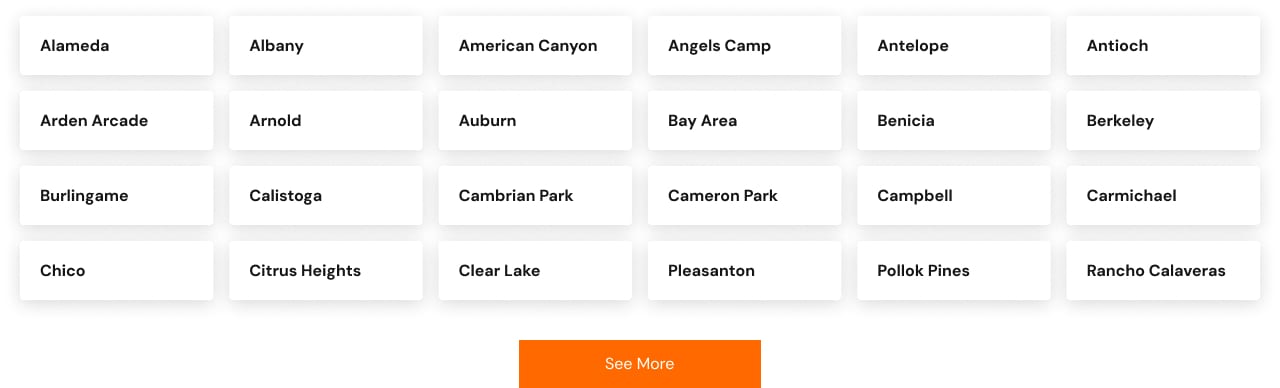
Heritage Exteriors proudly serves Sacramento, the Bay Area, and Lake Tahoe, CA.
Hexteriors Siding & Windows, established in Sacramento in 2014, has earned a reputation for providing reliable supply and installation services for sidings and windows throughout the region.